
Why Are Some Eggs Brown and Others White? The Science Behind Eggshell Color
Why are some chicken eggs brown while others are white? Does it depend on the chicken’s breed, its diet, or even the color of its feathers? Although brown and white eggs may look quite different on the outside, the reason for their color is surprisingly straightforward: genetics and pigments produced by the hen.
All chicken eggshells are made primarily of calcium carbonate, a naturally white mineral. White is therefore the basic color of an eggshell. Brown eggs become brown because certain pigments are deposited onto the shell during the final stages of egg formation.
But there is more to the story. Eggshell color is determined largely by the chicken’s genetics, and the color of the hen itself isn't always a reliable clue. Diet, meanwhile, can affect the color of the yolk, but generally does not determine whether an eggshell is brown or white.
So, are brown eggs healthier than white eggs? And do they taste different?
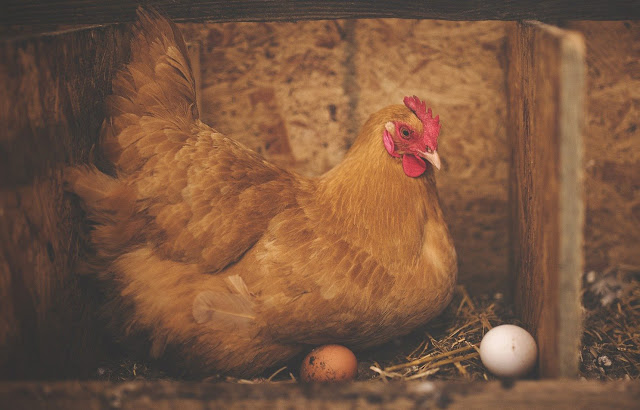
Photo: Pixabey...
What determines the color of a chicken egg?
The color of a chicken’s eggshell is primarily genetically determined. Different breeds of chickens have different genes that control whether pigments are added to the developing eggshell.
Some breeds produce eggs with little or no shell pigment, resulting in white eggs. Other breeds produce pigments that give the shell shades ranging from light tan to deep brown.
This means that egg color is a characteristic of the chicken breed, rather than something caused by the chicken's diet.
It is also a common misconception that a chicken's feather color determines the color of its eggs. Although certain breeds may have a typical combination of feather and eggshell colors, the two traits are not directly linked. A brown or reddish chicken can lay white eggs, while some chickens with lighter feathers can lay colored eggs.
Why are brown eggs brown?
Brown eggshells contain pigments that are deposited on the shell while the egg is being formed inside the hen.
One of the important pigments involved is protoporphyrin IX, which is related to the breakdown of hemoglobin. Depending on the breed and the concentration of pigments produced by the hen, the eggshell can develop different shades of brown.
The intensity of the color can vary considerably. Some eggs may be pale cream or tan, while others can be a much deeper reddish-brown.
The pigment is primarily deposited on the outside of the shell, which is why the inside of a brown egg can look much whiter than its exterior.
When does an egg get its color?
An egg takes roughly a day to form inside a hen. Most of the egg's development occurs before the final stage when the shell receives its characteristic pigmentation.
The shell itself is formed mainly from calcium carbonate. Near the end of the process, pigment is deposited onto the shell in breeds that produce colored eggs.
This explains why an egg can spend much of its development without its final color and acquire its recognizable brown coloration relatively late in the process.
Why do some chickens lay white eggs?
White eggs are produced by chicken breeds that do not deposit significant amounts of pigment onto the eggshell.
The eggshell is naturally white because its primary mineral component, calcium carbonate, is white. When little or no pigment is added during shell formation, the egg remains white.
So, in simple terms:
- White eggs: little or no pigment is deposited on the shell.
- Brown eggs: pigments are deposited onto the shell.
- Different shades: the amount and type of pigment can vary between breeds and individual hens.
Does a chicken's diet determine egg color?
No, not usually. A chicken's diet can have a noticeable effect on the color of the egg yolk, but it does not normally determine whether the shell will be brown or white.
For example, feed containing ingredients rich in natural pigments, such as corn or certain plants, can contribute to a deeper yellow or orange yolk.
This is why yolks can vary from pale yellow to a much richer orange color.
However, changing a hen's feed does not normally turn a white-shelled egg brown or a brown-shelled egg white. The shell color is primarily controlled by the hen's genetics.
Does the color of the chicken tell you what color egg it will lay?
Not necessarily.
Many people assume that brown or reddish chickens lay brown eggs and white chickens lay white eggs. While this can sometimes be a useful general rule for particular breeds, it is not a universal rule.
The genes responsible for feather color and those responsible for eggshell color are different. As a result, chickens with similar appearances can lay eggs of different colors.
The most reliable way to know what color eggs a particular chicken will produce is to know its breed or observe the eggs it lays.
Are brown eggs healthier than white eggs?
No. Brown eggs are not automatically healthier than white eggs.
Because many organic or premium eggs sold in supermarkets are brown, consumers sometimes assume that the darker shell means the egg contains more vitamins, minerals, or other nutrients.
This is largely a misconception.
The color of the eggshell itself does not determine the nutritional value of the egg. Brown and white eggs can have very similar nutritional profiles when they come from hens raised under comparable conditions and given comparable diets.
Factors such as the hen's diet, age, living conditions, and overall health can be much more relevant to the nutritional characteristics of an egg than the color of its shell.
Do brown eggs taste different from white eggs?
There is no inherent reason for a brown egg to taste different simply because its shell is brown.
If you notice differences in taste between eggs, they are more likely to be related to factors such as:
- the hen's diet;
- freshness;
- how the hens were raised;
- storage conditions; and
- how the eggs are cooked.
Shell color itself is not a reliable indicator of flavor.
Are brown eggs more expensive?
Brown eggs are sometimes more expensive than white eggs, but this is not because brown eggs are inherently better or more nutritious.
The price difference can be influenced by the breed of chicken used, production costs, farming practices, marketing, and consumer demand.
In some markets, brown eggs are associated with free-range, organic, or premium products, which can contribute to a higher price. But the shell color alone does not make an egg nutritionally superior.
Are brown eggshells stronger than white eggshells?
Eggshell strength is influenced by several factors, including the hen's breed, age, nutrition, and the structure and thickness of the shell.
Brown eggs are sometimes perceived as having thicker or harder shells. However, shell color itself is not what determines strength.
A brown egg and a white egg can both have strong or fragile shells depending on the characteristics of the hen that produced them.
Frequently Asked Questions
Why are some eggs brown and others white?
The main reason is genetics. Different chicken breeds produce different eggshell pigments. White eggs have little or no pigment, while brown eggs receive pigments during shell formation.
Does a chicken's diet determine whether its eggs are brown or white?
Generally, no. Diet can influence the color of the yolk, but eggshell color is primarily determined by genetics.
Are brown eggs healthier than white eggs?
Not necessarily. Brown eggs are not inherently more nutritious than white eggs. Nutritional differences are more closely related to factors such as the hen's diet and production conditions.
Do brown eggs taste better?
Not because of their color. Taste can be affected by freshness, diet, storage, and cooking, but shell color itself does not make an egg taste better.
Do white chickens always lay white eggs?
No. Feather color does not reliably determine eggshell color. Different genetic traits control these characteristics.
Why are brown eggs sometimes more expensive?
Price can be influenced by breed, production costs, farming practices, marketing, and consumer demand. Brown shell color itself does not make an egg more nutritious.
Read more:
- Why is breakfast the most important meal of the day?
- What is the function of vitamin D in the human body?
- Why do my knees hurt when I run?
- Bleeding gums - Why do my gums bleed when I brush my teeth? - Top 10 reasons
Don't miss:
- How Are Islands Formed? 6 Fascinating Ways Islands Are Created
- Why Is It Hotter in Summer Than in Winter?
- Why Are Some Eggs Brown and Others White? The Science Behind Eggshell Color
- Roman Architecture Ornaments - Some characteristics of Roman architecture
- How Do Hydroelectric Power Stations Work?
- What Do Earthworms Eat? A Complete Guide to the Earthworm Diet